
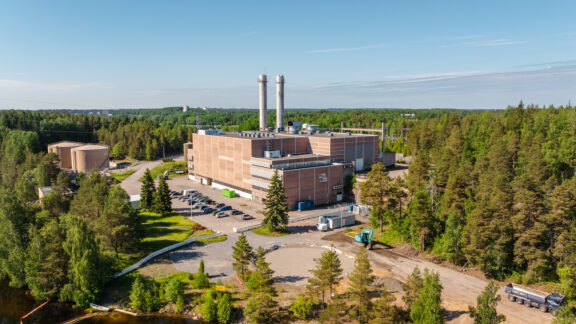
EPV Energy Ltd (EPV) has made an investment decision to build a new gas-engine power plant in Lappeenranta. The project is part of EPV’s balancing power programme and continues the company’s investments in strengthening the flexibility of the electricity system and security of supply.
The engine power plant to be built in Lappeenranta is the second project in the programme. The first gas-engine power plant began commercial operation in early April 2026 in Tornio, where it provides rapidly startable and highly flexible generation capacity to the electricity system.
More balancing power and flexibility for the energy system
The share of renewable energy in the electricity grid is growing rapidly, increasing the need for fast and flexible generation. Engine power plants are a key solution to this need, as they complement weather-dependent generation and ensure the balance of the electricity system in line with market demand.
“The estimated total electrical capacity of the Lappeenranta engine power plant is approximately 40–45 megawatts, and it will consist of several gas engines. The plant can generate electricity quickly when it is needed most, for example during peak demand, disturbances, or when wind and solar power generation falls below expectations,” says Mats Söderlund, Vice President of Combined Heat and Power Production and Energy Storage at EPV Energy.
Engine power plants have proven to be an efficient and highly controllable solution for delivering fast-reacting balancing capacity to the electricity market.
Location in Mertaniemi, Lappeenranta offers advantages of existing infrastructure
EPV and Lappeenrannan Energia have signed a cooperation agreement on project development, and the project has now progressed from planning to the investment phase.
According to current plans, the project will be implemented in the Mertaniemi power plant area in Lappeenranta, where existing infrastructure enables a cost-effective and efficient execution.
In the initial phase, the plant will use natural gas as its fuel. The aim is to gradually transition to biogas and synthetic renewable gases as their markets and availability develop.
Continuing EPV’s strategy to strengthen flexibility in the electricity system
In recent years, EPV has made significant investments in energy storage and flexible solutions. The engine power plant in Lappeenranta supports this strategic direction and enhances security of electricity supply in situations where production and consumption are not balanced.
Solutions such as engine power plants are essential in the energy transition, where the share of renewable energy continues to increase and the need for fast-reacting generation capacity grows.
“The need for flexible electricity generation continues to grow as renewable energy increases. The Lappeenranta engine power plant will significantly strengthen security of electricity supply and support the transition towards low-emission energy production,” Söderlund concludes.
More information: Mats Söderlund, Vice President of Combined Heat and Power Production and Energy Storage, EPV Energy Ltd, tel. +358 10 505 5059